
Rovinj’s Old Town feels like a stroll through a Venetian masterpiece. The town first appears in historical records in the late 13th century, and in 1283 it came under the rule of the Venetian Republic, which lasted for over five centuries.
During this period, Venetian merchants, artisans, and architects shaped the streets, squares, and churches that visitors see today.
From cobbled lanes and pastel-colored houses to majestic landmarks, the Italian influence is visible everywhere, while contemporary life in the Old Town allows visitors to experience a town that is both historical and vibrant.
Historic landmarks and architecture
Church of St. Euphemia - Built in the early 18th century, this Baroque masterpiece dominates the skyline. Its bell tower, inspired by St. Mark’s Campanile in Venice, rises nearly sixty meters and offers panoramic views of the Adriatic and surrounding islets.
Balbi’s Arch - Constructed in 1678, this ornate gateway marks the main entrance to the Old Town. The Lion of St. Mark and intricate carvings celebrate the town’s Venetian past.
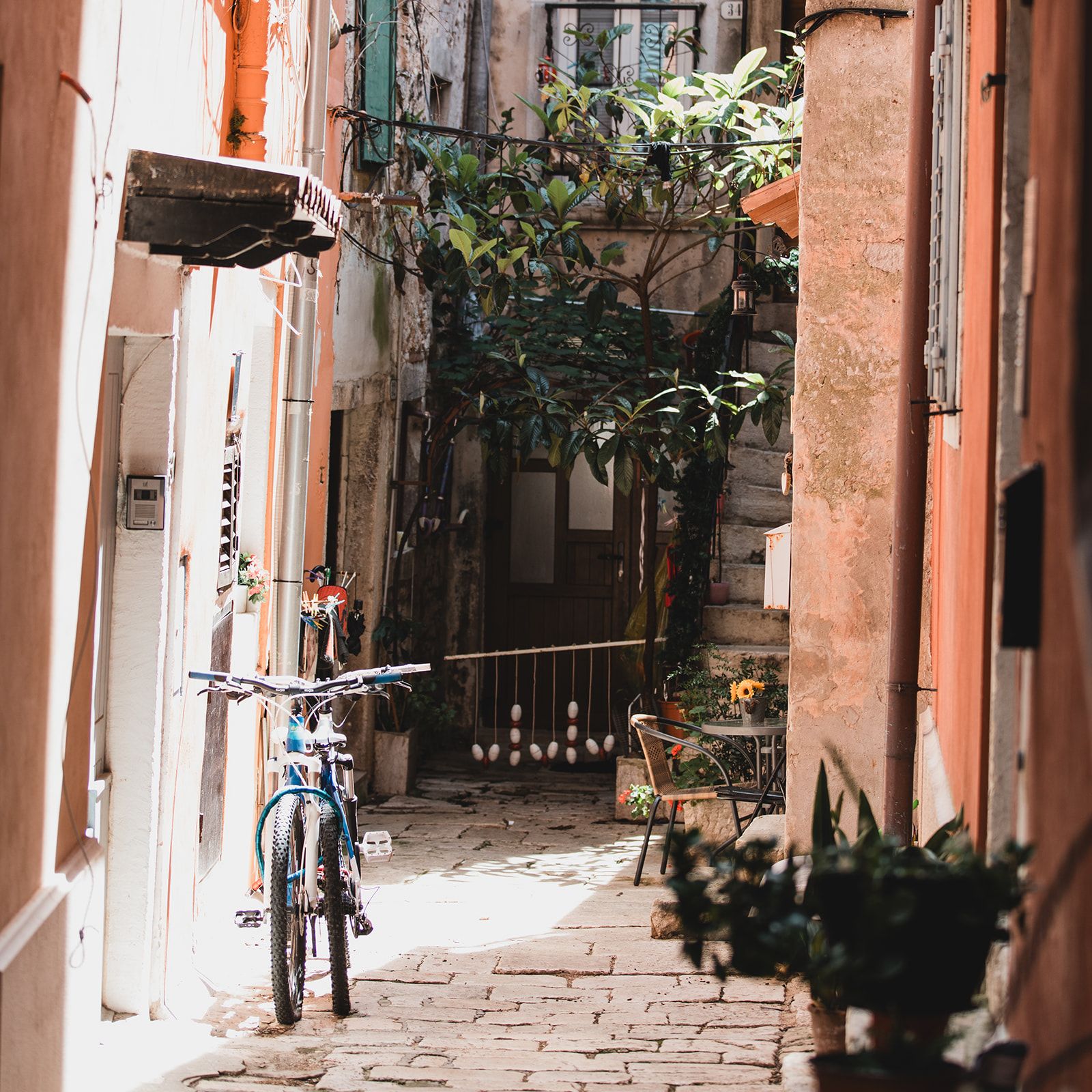
Grisia Street - Known as the Street of Artists, this historic alley winds through the Old Town with galleries and studios tucked between centuries-old houses.
Tito Square (Marsala Tita Square) - A central piazza framed by Baroque facades and the Venetian lion clock, it remains a hub for markets, gatherings, and cultural events.
Town Gates and Walls - Remnants of the medieval defenses, including St. Benedict Gate and Holy Cross Gate, along with the nearby Church of the Holy Cross, echo Rovinj’s fortified Venetian character.
Every building, alley, and piazza tells the story of a town built for trade, faith, and daily life under Venetian guidance.
Rovinj today: A Venetian legacy
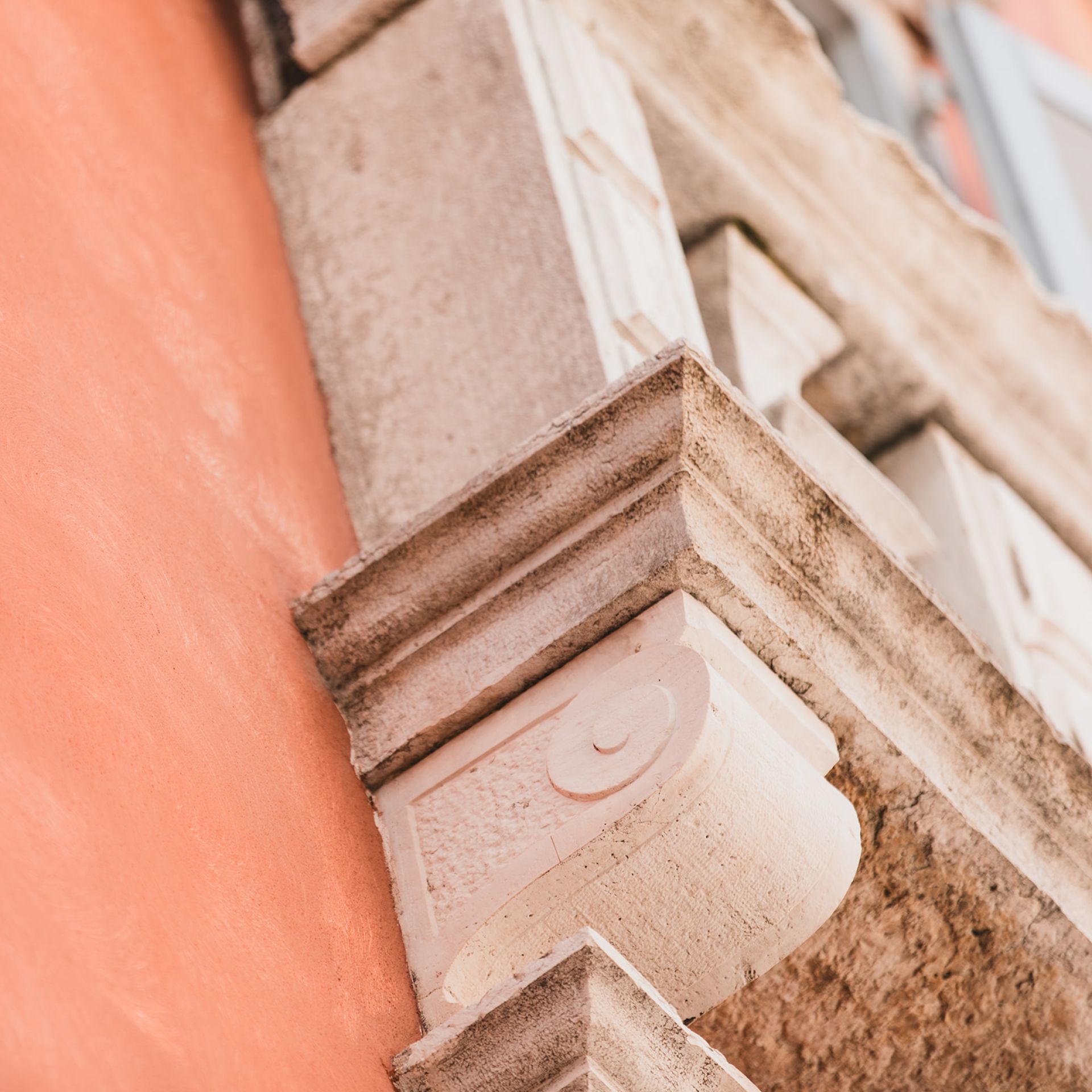
Although Venetian rule ended in 1797, its mark on Rovinj is unmistakable. The Old Town’s layout remains largely unchanged, with narrow streets winding upward from the harbor to the church hilltop. Buildings preserve Venetian features such as arched windows, decorative stone portals, and elegant balconies.
Many street names are bilingual, written in both Italian and Croatian, and this reflects the town’s enduring cultural heritage. Schools, local signage, and everyday conversation continue to honor this dual tradition, giving visitors a sense of the town’s unique identity. Even modern apartments and shops are designed to blend with the historic surroundings, allowing the past to live alongside contemporary life.
Exploring Rovinj today means walking through centuries of history while seeing it come alive in everyday activities. Art galleries, waterfront cafés, and small markets keep the town vibrant, and the rhythm of life still follows the patterns set by centuries of Venetian presence. The Adriatic light, the sound of church bells, and the mix of languages all create an immersive experience that connects visitors directly to Rovinj’s rich past.
Stays in the heart of Old Town
From the bell tower of St. Euphemia to Balbi’s Arch, Grisia Street, and the main Square, Rovinj is a town where history is etched into every stone and corner. Staying in apartments in the Old Town allows visitors to experience the town intimately, with morning walks through quiet streets, afternoon coffee in lively squares, and evenings watching the Adriatic glow over centuries-old rooftops. Rovinj’s Venetian roots are everywhere, and understanding this heritage enriches every visit, allowing travelers to see a town where history is not just preserved, but lived.